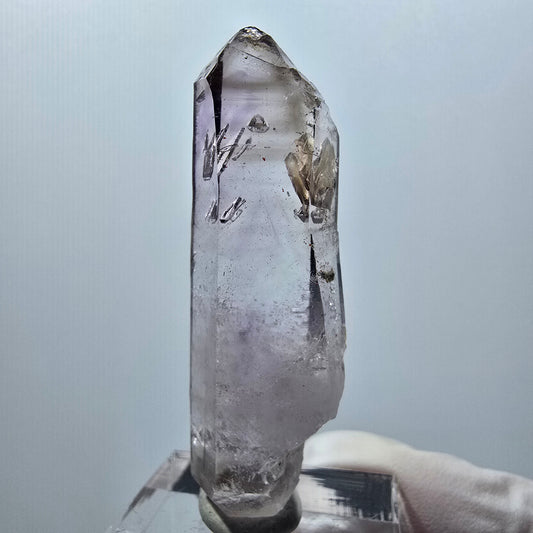
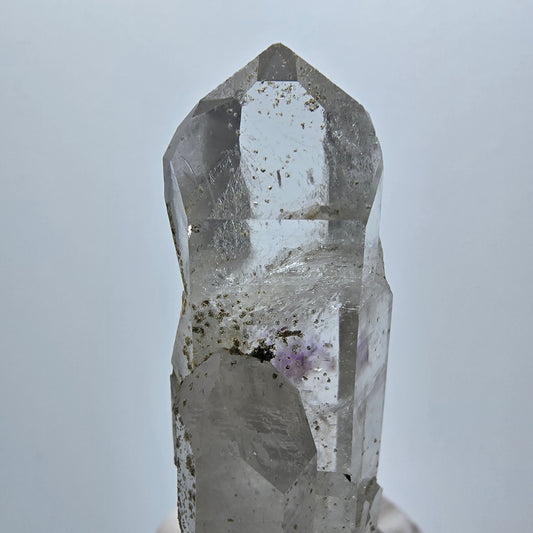
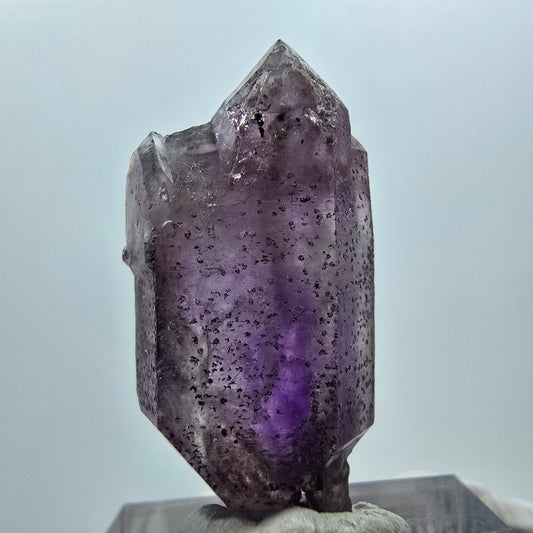
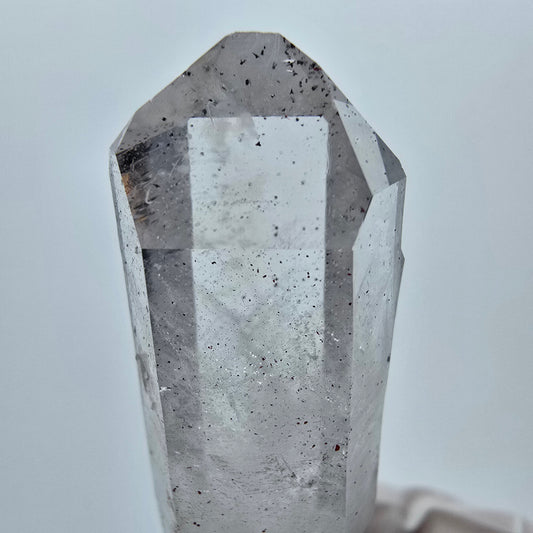
Collection: Scepter Quartz
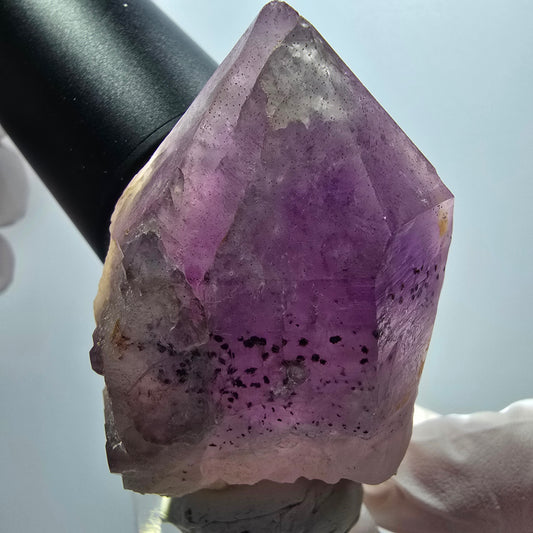
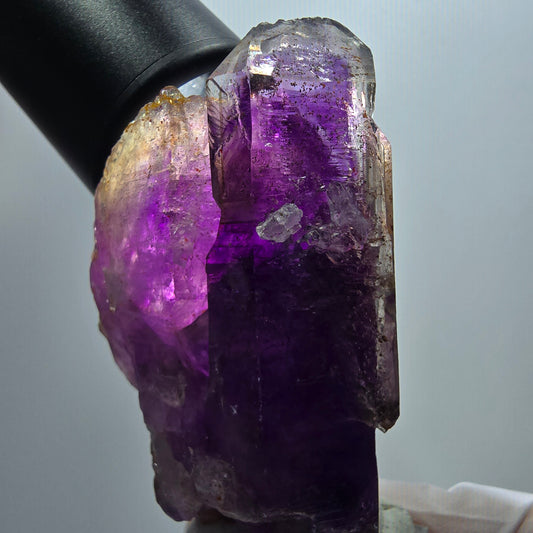
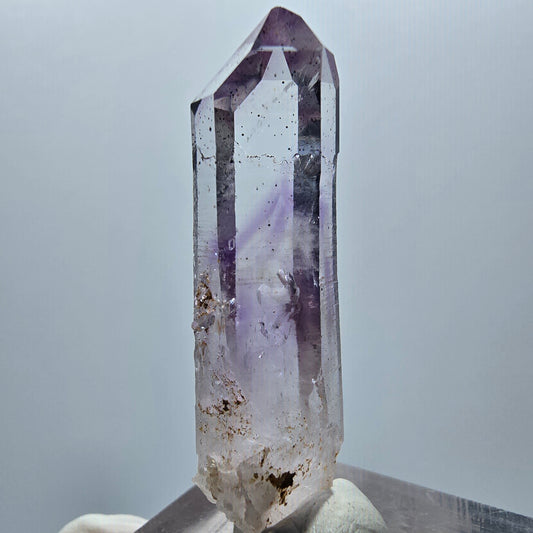
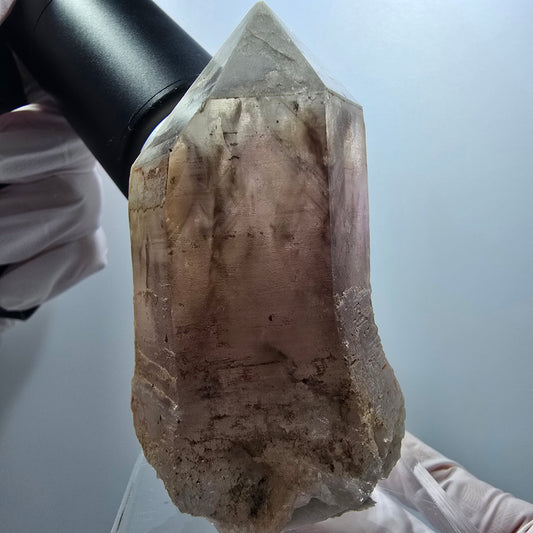
Namibia is a true paradise for mineral collectors and gemstone enthusiasts. Among the numerous fascinating finds, the scepter quartz crystals stand out, captivating visitors with their extraordinary shape and geological rarity. These architectural masterpieces of nature originate primarily from the renowned regions of Goboboseb Mountains, Brandberg, and Erongo , and are among the most aesthetically pleasing of their kind in the world.
What are scepter quartz crystals?
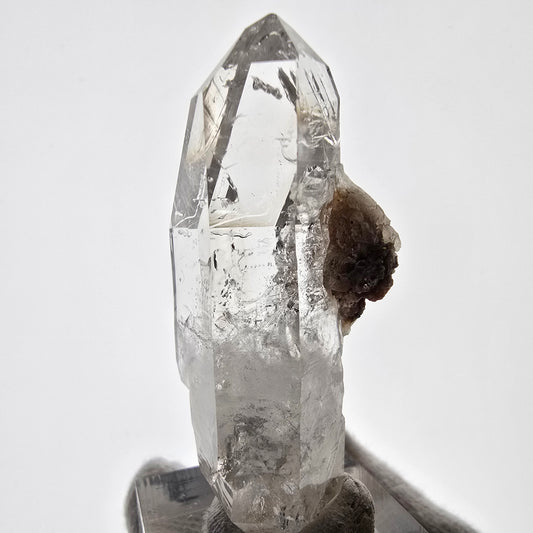
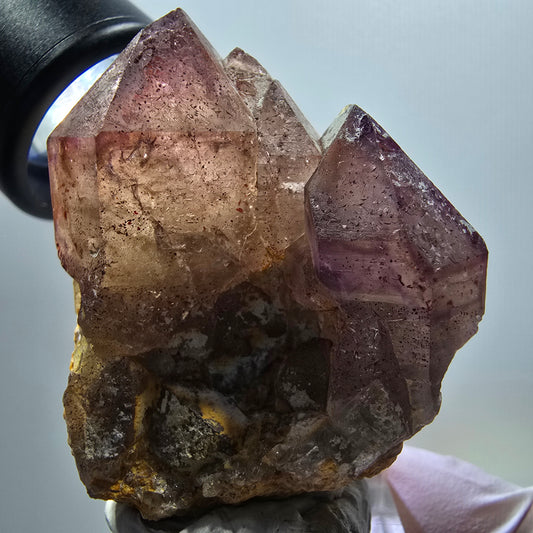
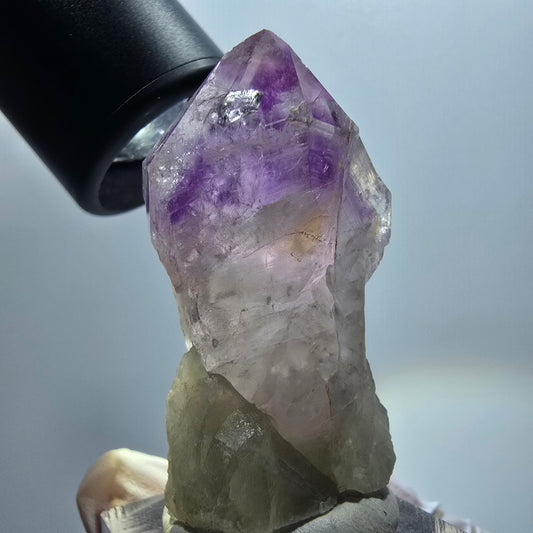
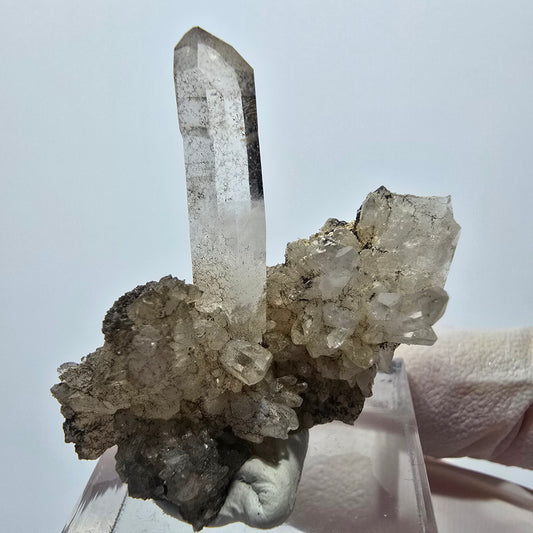
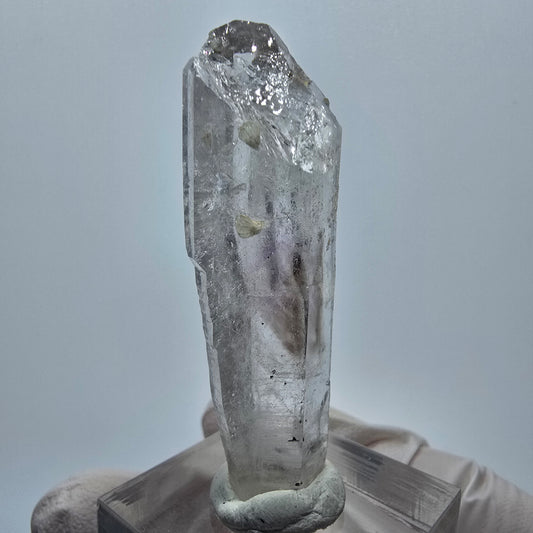
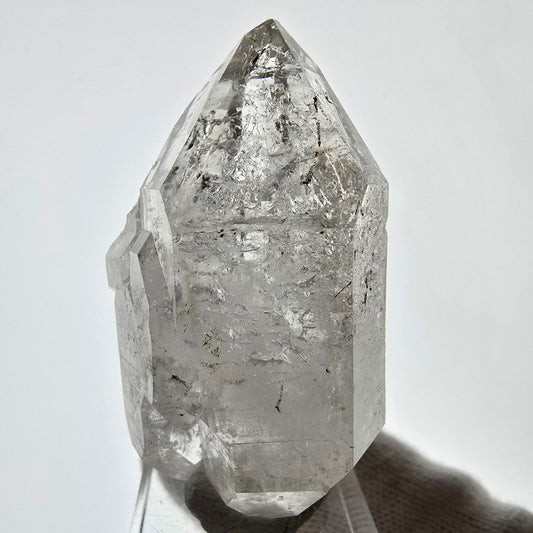
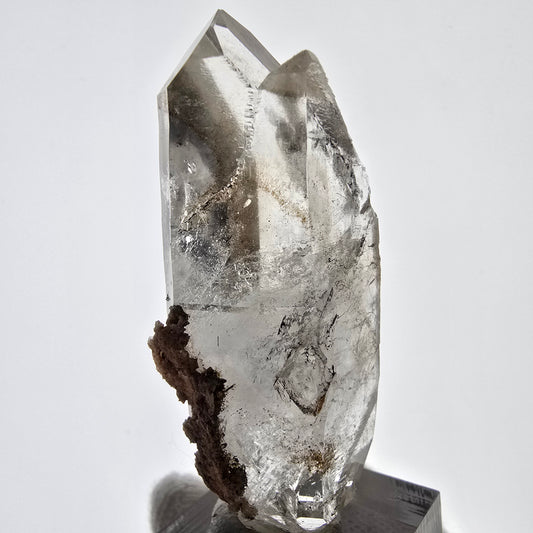
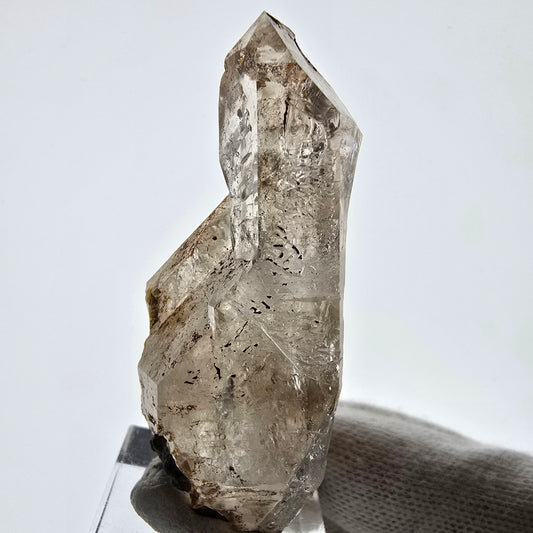
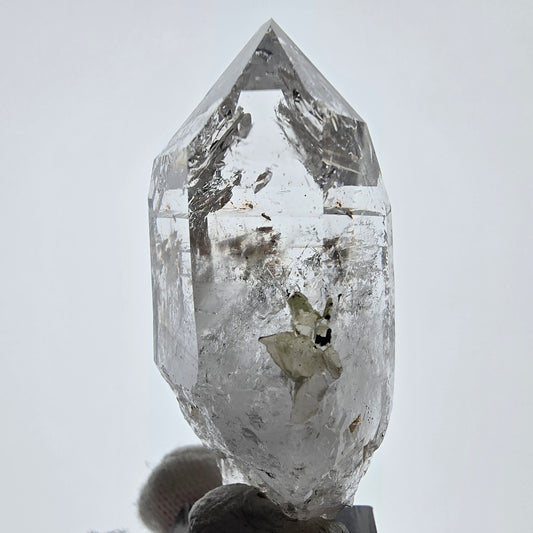
Scepter quartz crystals are formed through a fascinating growth pattern in which a second generation of crystals grows on top of an existing "parent crystal." The upper part of the crystal—the actual scepter—is often significantly larger than the base and frequently stands out due to its color, structure, or transparency. This process results in the distinctive shape reminiscent of a royal scepter. In Namibia, these rarities can be found in impressive variations.
-
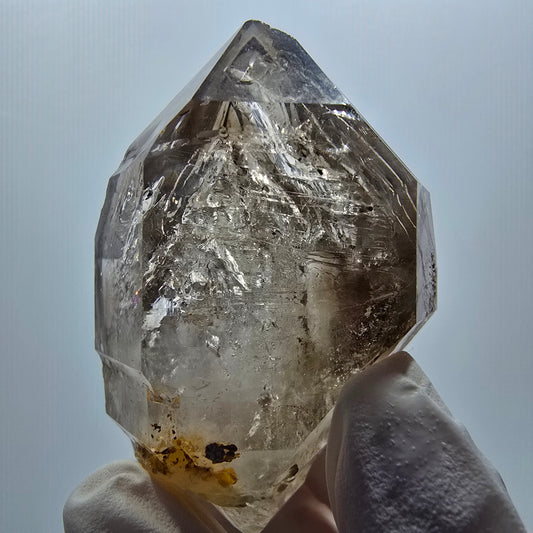
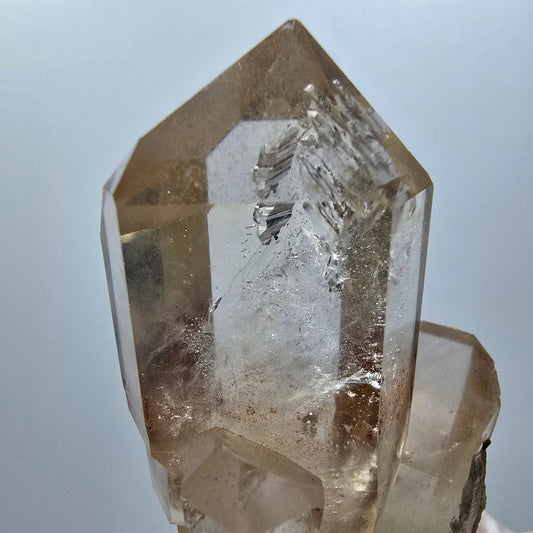
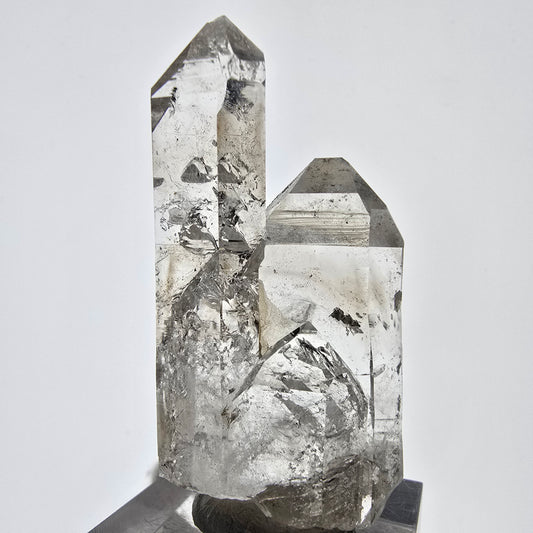
Smoky quartz : These pieces often display an elegant smoky-brown coloration and frequently feature complex, phantom-like structures inside.
-
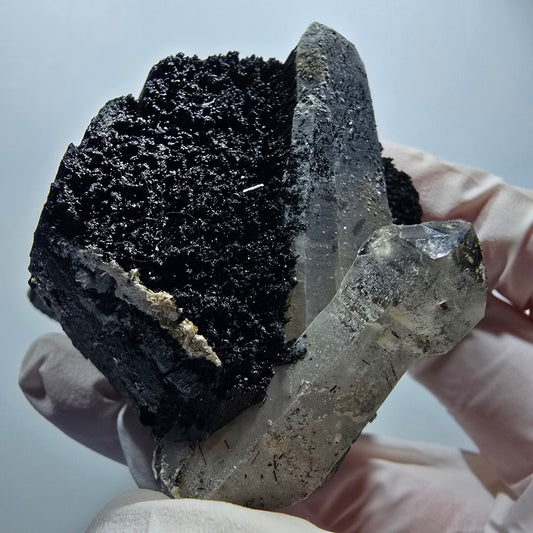
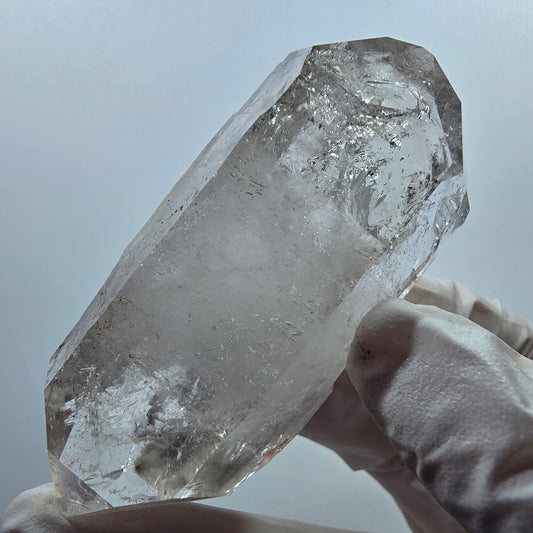
Rock crystal : The classic form impresses with its crystal-clear transparency and often contains fascinating, tiny inclusions.
-
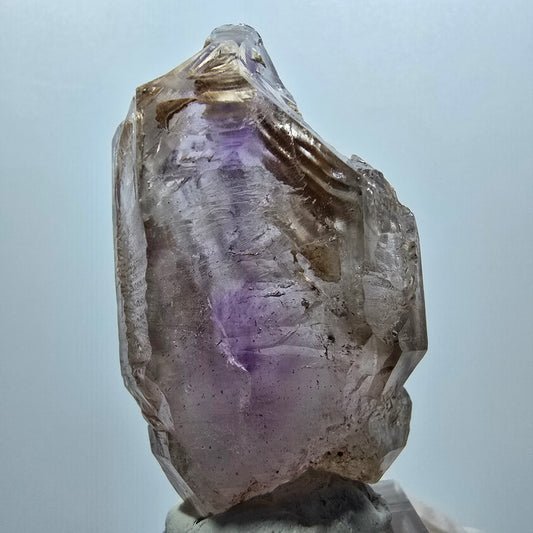
Phantom quartz : Here, the individual growth layers are visible inside like shadow pictures, giving the scepter an incredible optical depth.
-
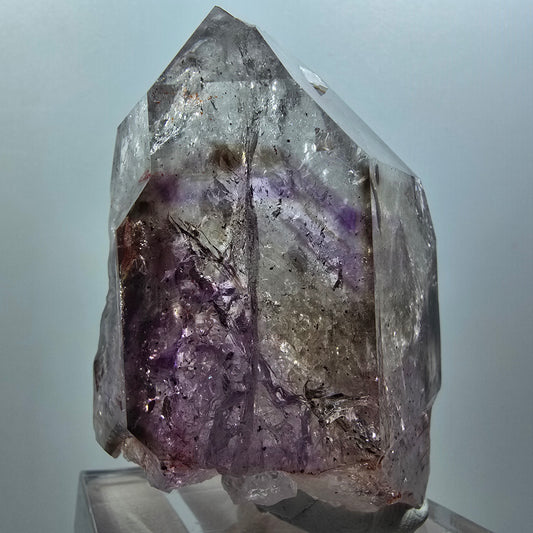
Amethyst : With their strong violet to reddish hues, amethyst scepters are among the most magnificent finds that Namibia has to offer.
Famous archaeological sites in Namibia
The quality of Namibian scepter quartz enjoys a worldwide reputation among collectors. Each region brings out its own unique character, making collectors' hearts beat faster:
-
Goboboseb Mountains : This region is famous for its highly lustrous smoky quartz and amethyst. Particularly on Tabletop Peak, exceptional scepter-shaped stones of the highest brilliance are regularly discovered.
-
Brandberg Massif : The Brandberg Massif yields spectacular amethyst scepters with intense colors, some of which exhibit impressive window structures.
-
Erongo Mountains: Here the focus is on perfectly formed smoky quartz scepters and clear rock crystals with pronounced scepter formation.
The origin: A geological work of art
The formation of Zepter quartz is a complex process under hydrothermal conditions. If the chemical composition or temperature of the surrounding solution changes during growth, a second growth phase begins. In this phase, new layers are deposited parallel to the original crystal structure, resulting in unique characteristics:
-
Phantom formation : The original crystal tip often remains as a visible "shadow form" within the larger scepter head.
-
Color transitions : Spectacular contrasts are created when, for example, a light base transitions into a deep purple or smoky brown scepter.
-
Inclusions : Tiny gas bubbles with mobile water (enhydros) or iron oxide inclusions are frequently found, increasing the value and beauty of the piece.
Features and care of your collectibles
Zepter quartz crystals from Namibia are not only visually stunning but also extremely robust. With a Mohs hardness of 7, they are resistant to scratches. To preserve the brilliance of your crystals, you should regularly clean them carefully with clear water and protect them from prolonged, intense sunlight. This will ensure that their vibrant color lasts for decades.