Collection: Buy Amethyst from Namibia – Deep Purple Crystals & Rarities
Amethyst is one of the world's most popular gemstones, captivating people for millennia with its deep purple color and mystical aura. Its name comes from the Greek word meaning "not drunk"—a reference to the ancient belief that this stone bestows clarity. But amethyst is far more than just a beautiful gemstone; it is a fascinating mineral with a rich geological history.
General properties of amethyst
As a variety of quartz, amethyst is chemically composed of silicon dioxide ( SiO₂ ). Its characteristic color is due to the inclusion of iron ions in the crystal lattice, which are activated by natural radiation processes. With a Mohs hardness of 7 , it is robust and durable, making it an ideal collector's item and gemstone. In nature, it usually forms hexagonal prisms, often found in geodes or as aesthetically pleasing individual crystals.
Special features of amethysts from Namibia
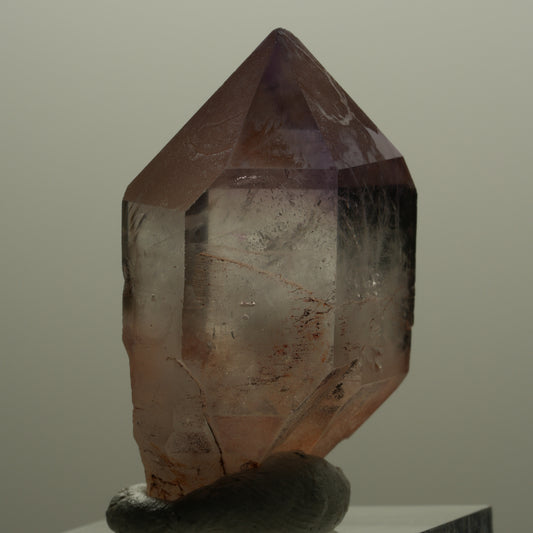
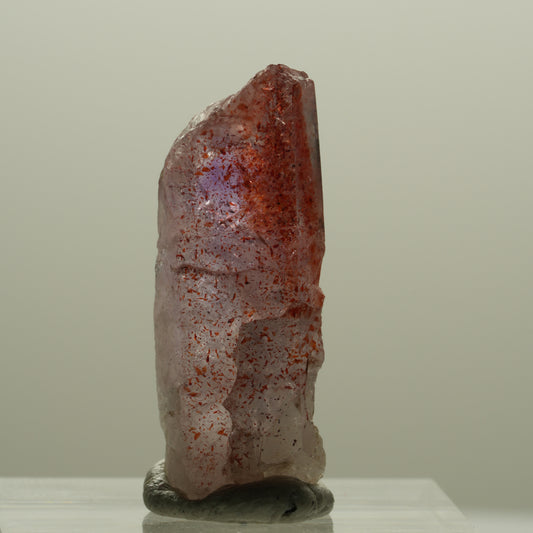
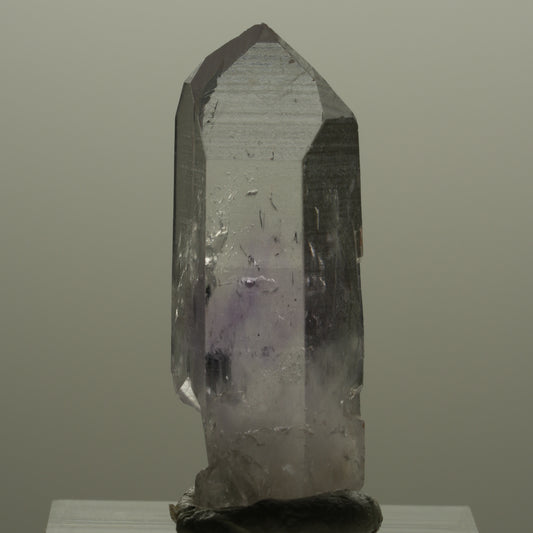
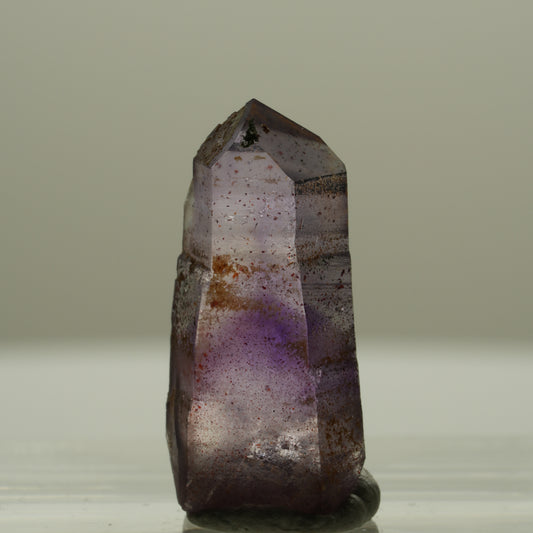
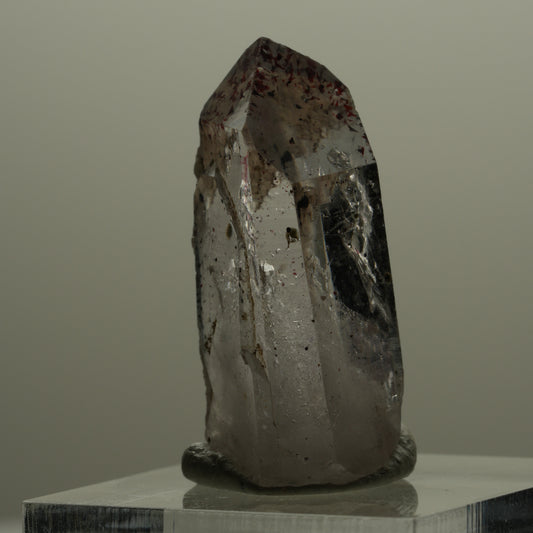
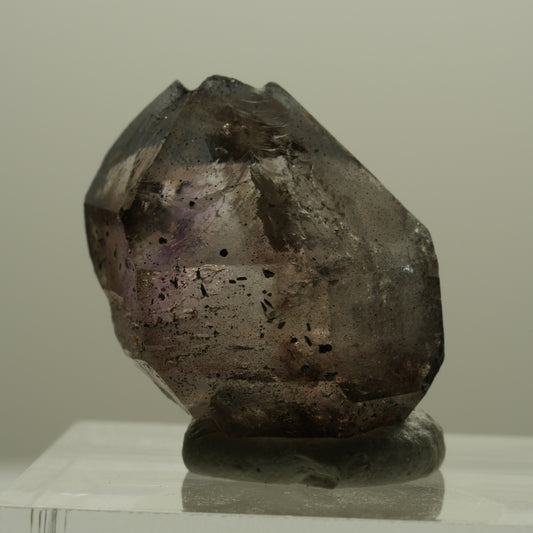
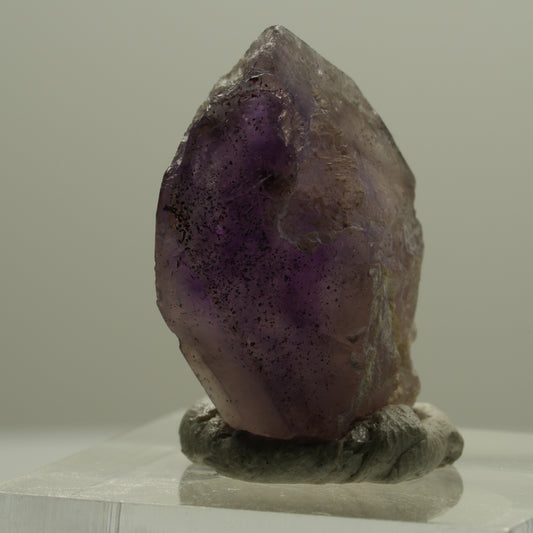
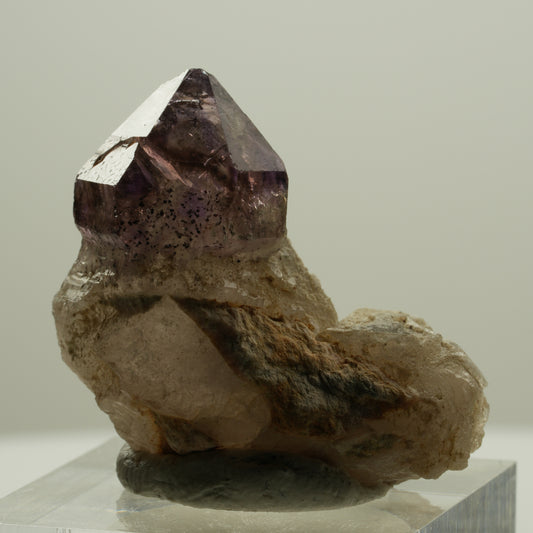
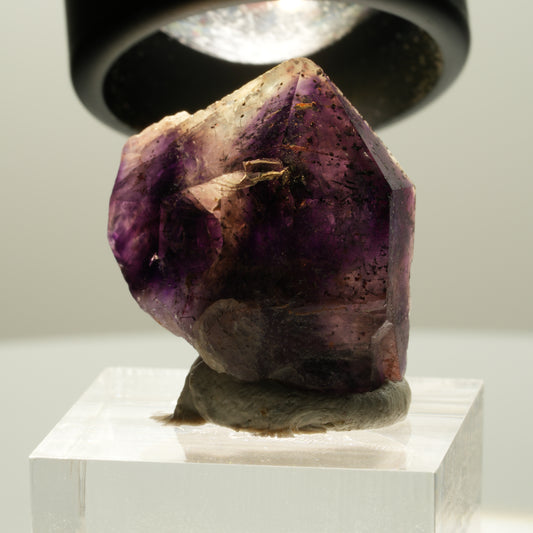
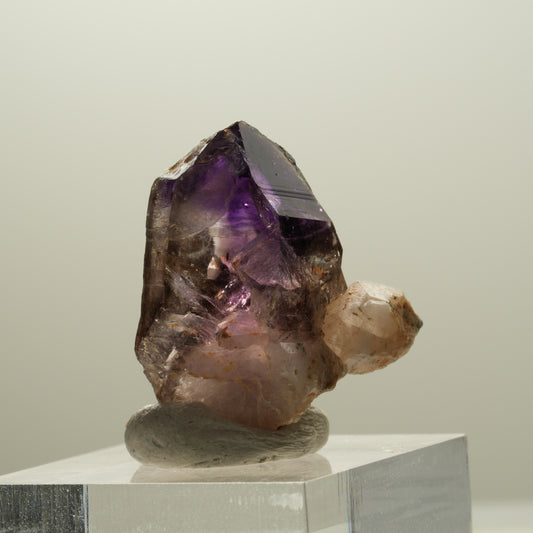
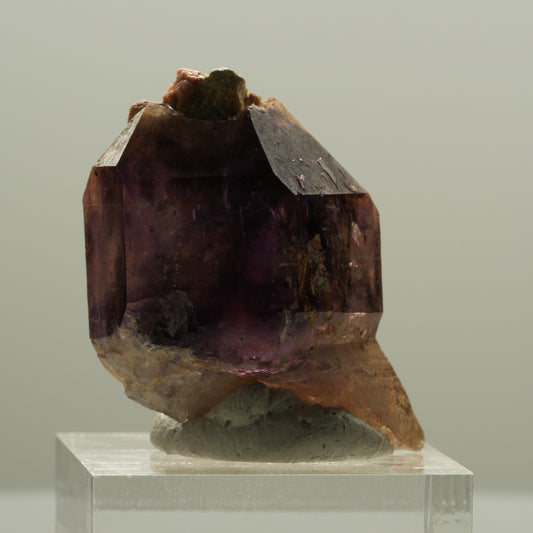
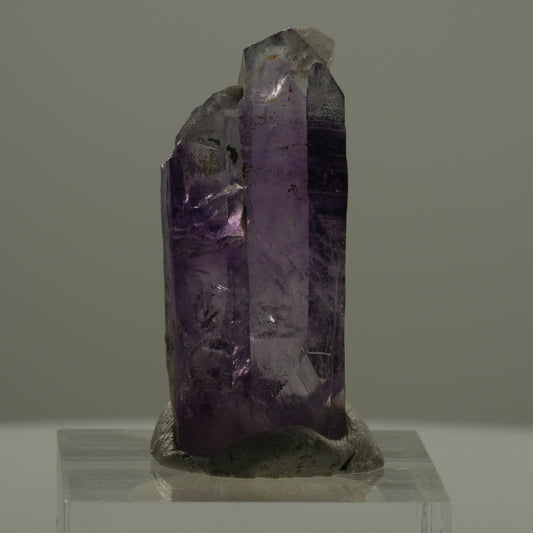
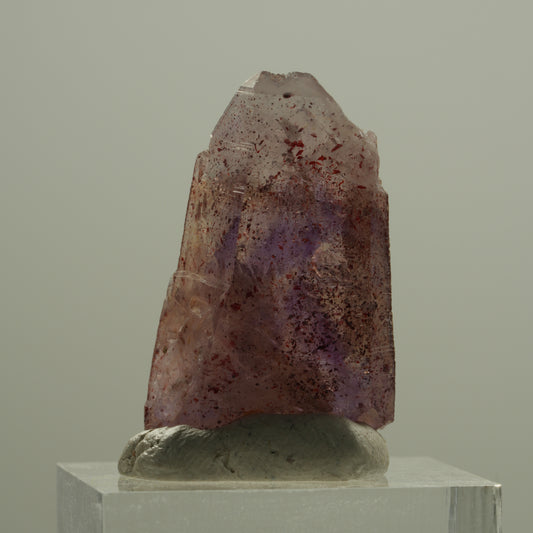
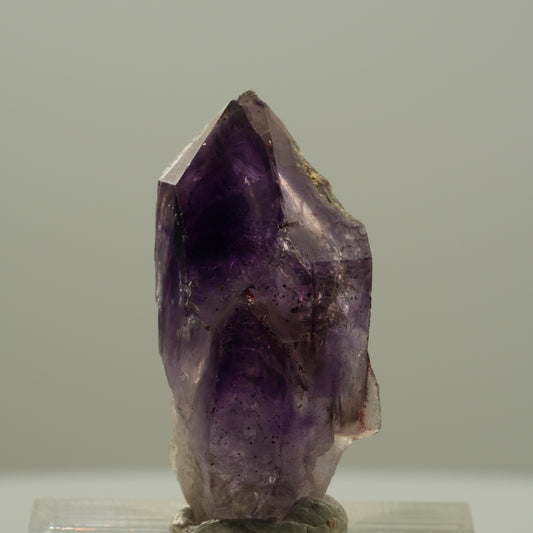
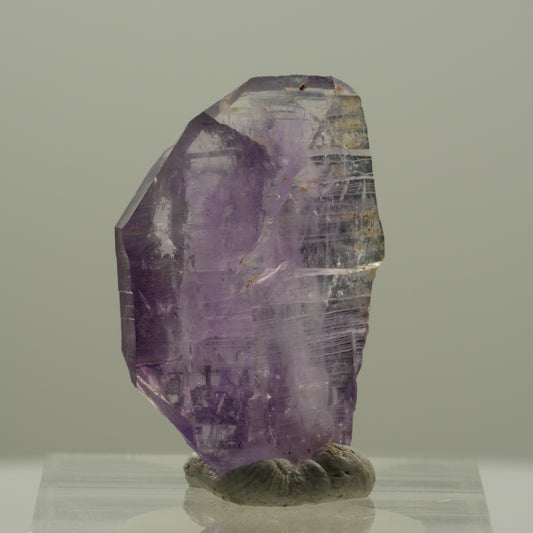
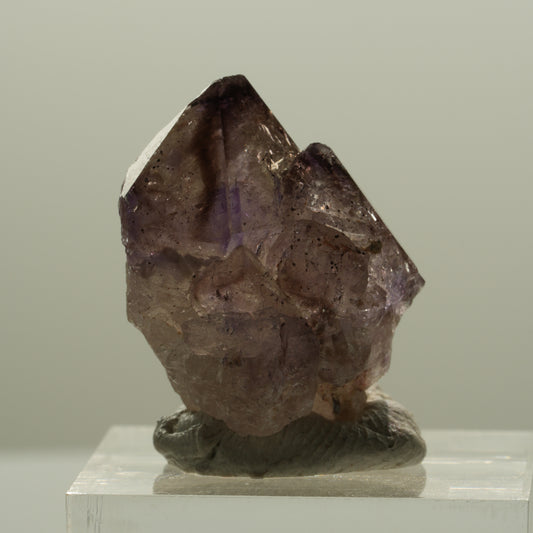
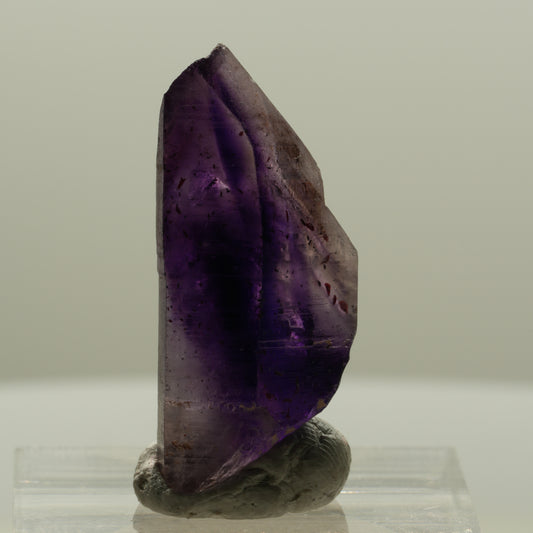
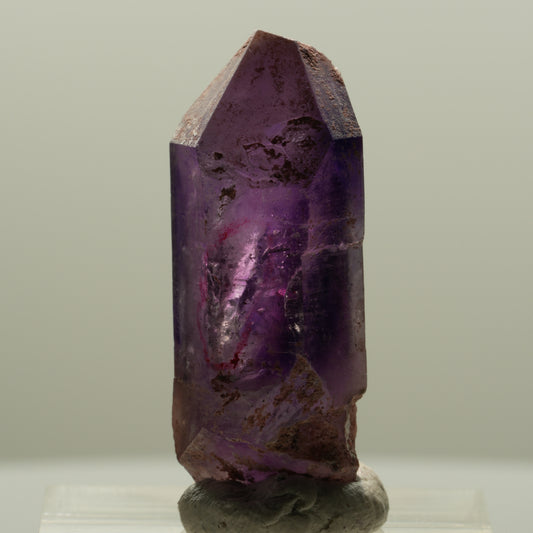
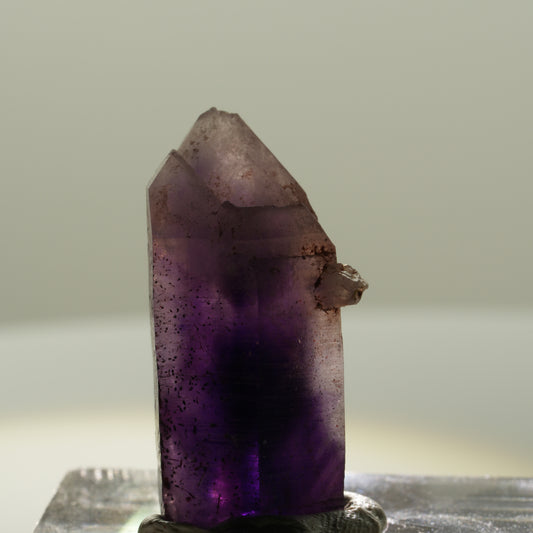
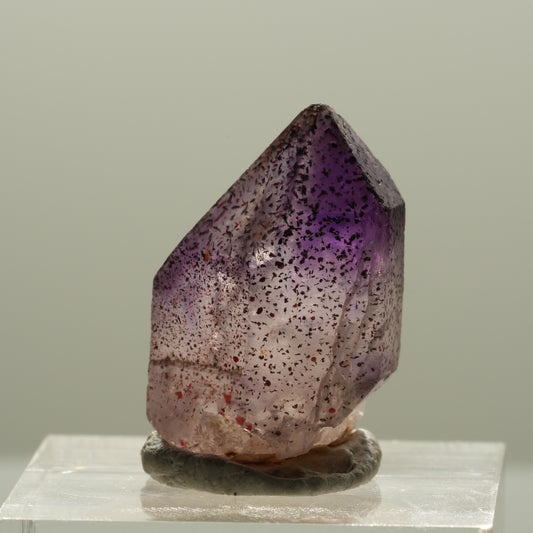
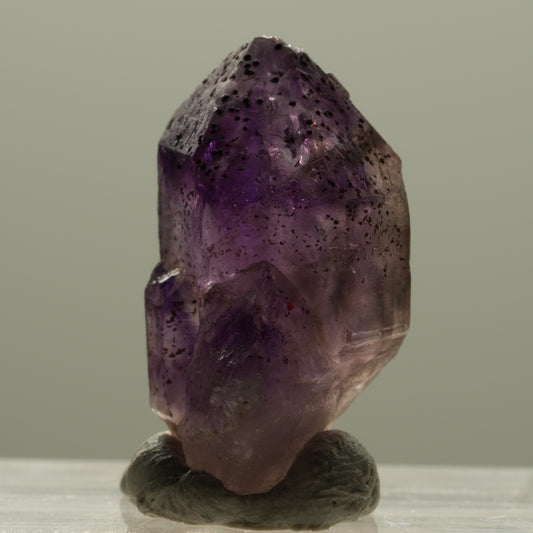
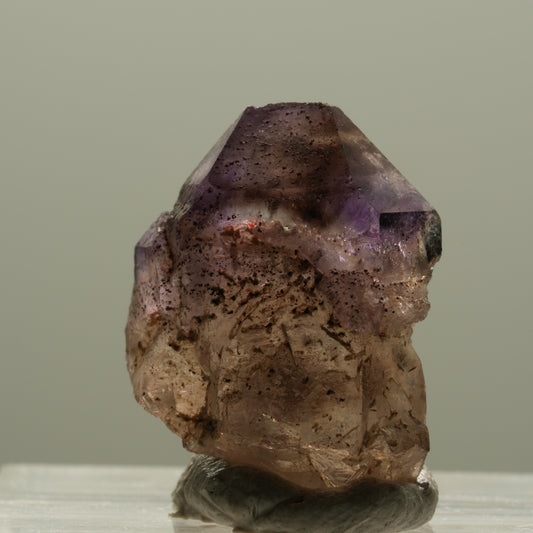
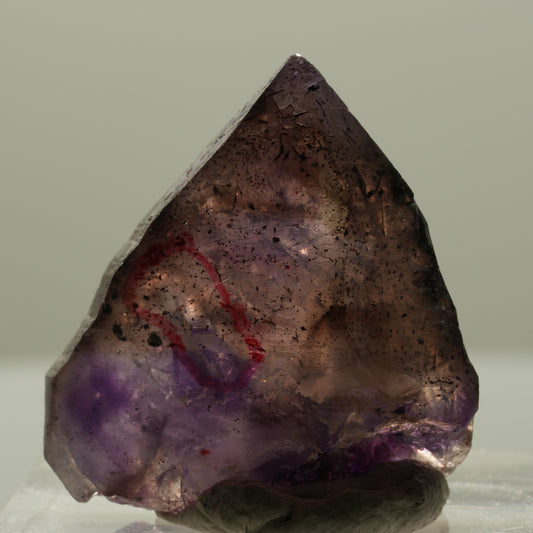
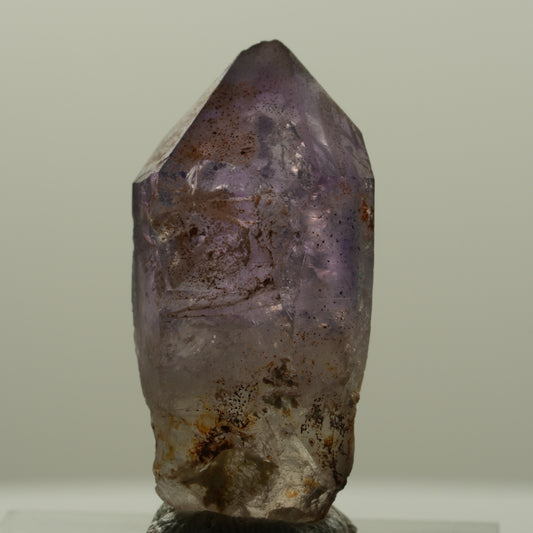
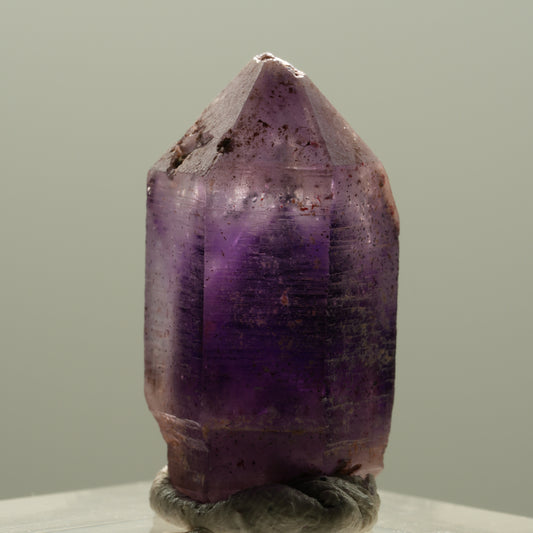
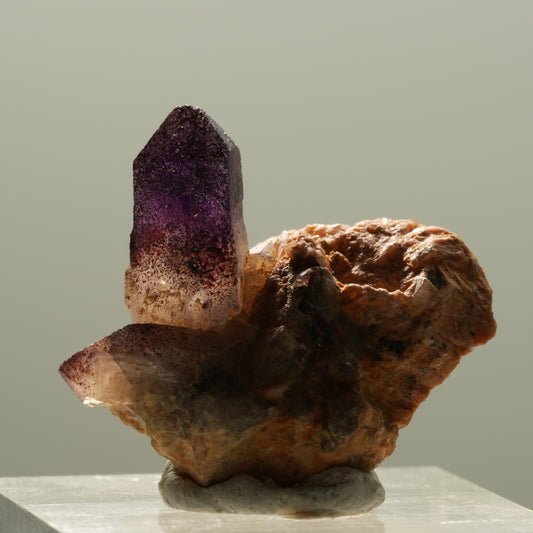
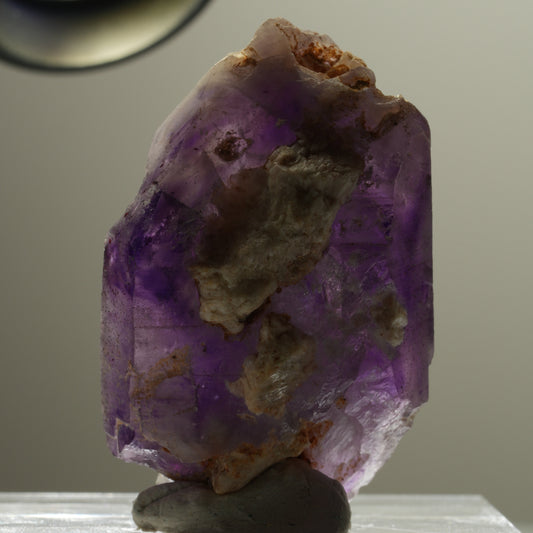
Namibia is world-renowned for its high-quality amethyst deposits, characterized by exceptional color intensity and crystalline purity. The finds from the Brandberg and Goboboseb regions, in particular, enjoy legendary status among collectors. Here we find varieties that are found nowhere else in the world in this form.
-
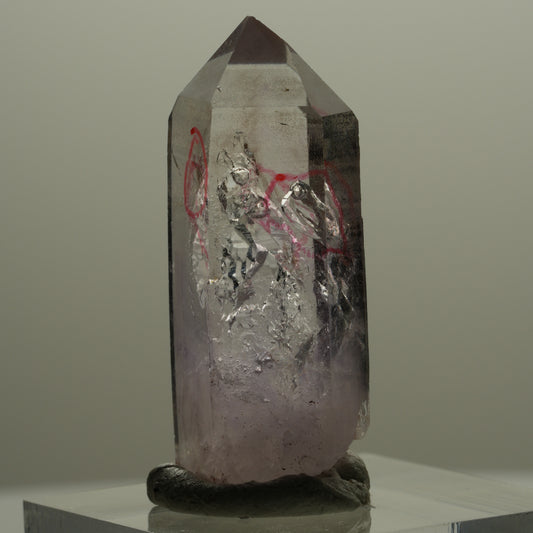
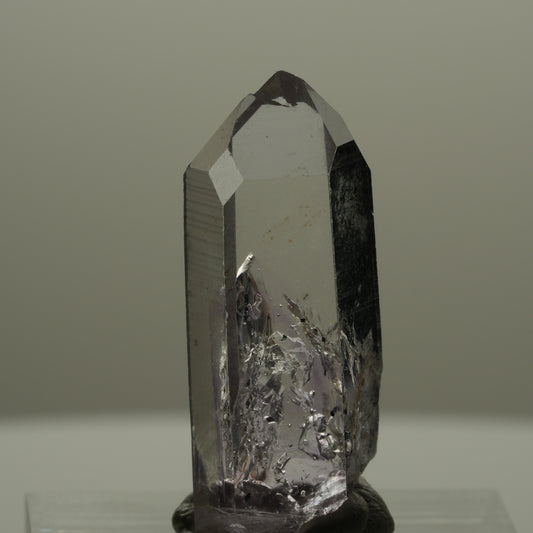
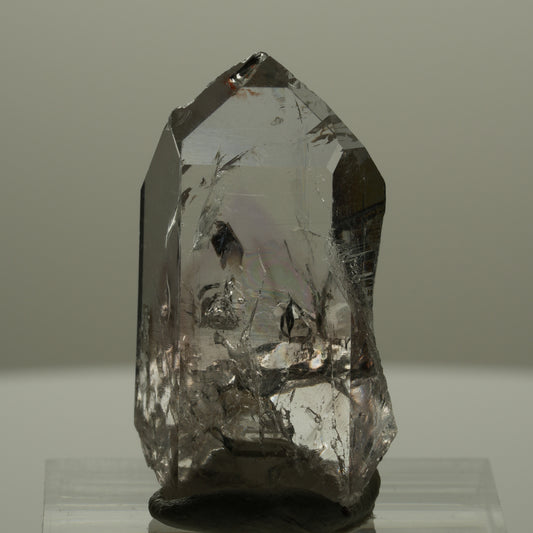
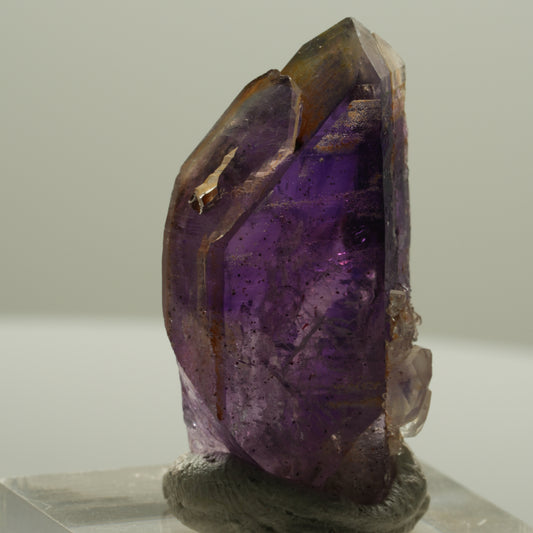
Brandberg amethyst: These crystals often display spectacular color zoning, alternating between violet and smoky quartz hues. They are known for their complex internal structure containing phantoms and water bubbles (enhydros).
-
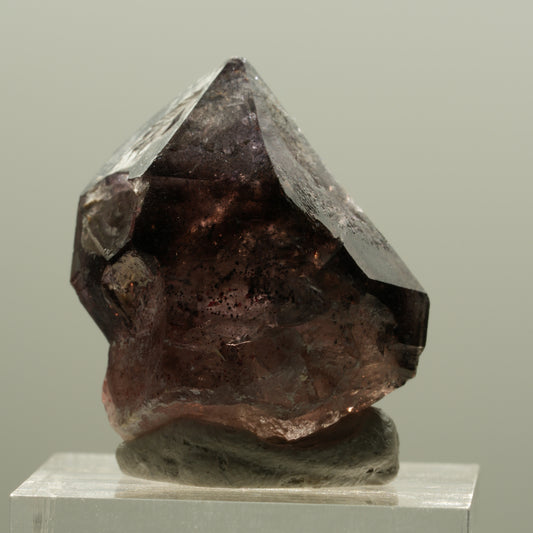
Bicolour amethyst: Combinations of violet amethyst and smoky brown quartz are frequently found, creating a fascinating optical depth.
-
Skeletal and window structures: Especially at Brandberg, the crystals often grow in bizarre skeletal forms that look like architectural masterpieces of nature.
-
Clarity and brilliance: Namibian pieces impress with their high transparency. Even dark crystals retain their brilliance when backlit, allowing the deep violet to shine majestically.
Care and preservation of your crystals
Proper care is crucial to preserving the natural beauty of your amethyst for decades. Since the violet color is caused by radiation processes, it can react to external influences:
-
Sun protection: Avoid exposing your amethysts to direct and intense sunlight for extended periods, as the purple color may fade over time.
-
Cleaning: For maintenance, lukewarm water and a mild detergent are sufficient. Use a soft cloth to gently remove dust and fingerprints.
-
Caution: Avoid using ultrasonic cleaners or aggressive chemicals, as these could cause damage, especially to crystals with fine inclusions or cracks.
An amethyst from Namibia is not only a visual highlight, but also a symbol of protection and clarity . Whether as an energetic companion for your home or as an exclusive collector's item in a display case – the violet treasures of the Namib captivate every observer.
Discover our hand-picked selection now and find your perfect amethyst at Mineralodo!